Impacted Tooth
When a tooth can't come in the way it should, it can cause pain, swelling and problems for the teeth around it. At Strategic Dental Care in East Orlando, we evaluate impacted teeth and, when needed, remove them so you can get back to a healthy, comfortable mouth.
What Is an Impacted Tooth?
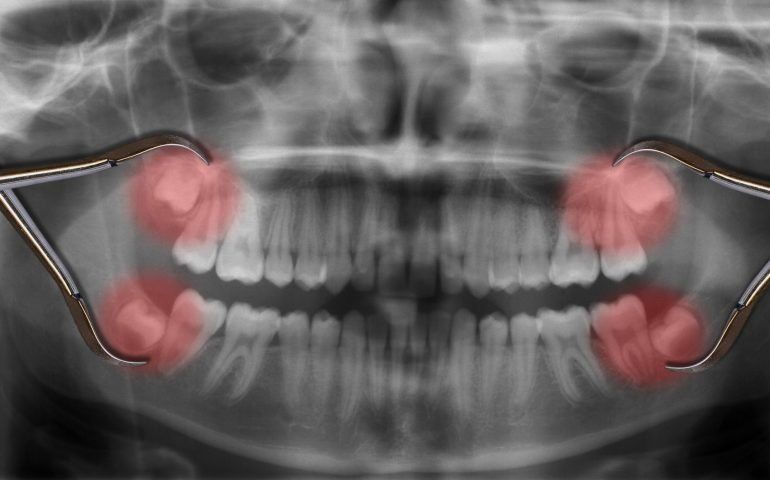
When there isn't enough room in the dental arch to accommodate a tooth's growth, the tooth can become impacted. An impacted tooth stays partially or fully trapped under the gums or bone instead of erupting normally. Wisdom teeth, the last molars to come in, are the teeth most often affected, but other teeth can become impacted too.
Some impacted teeth cause no symptoms at first. Others can lead to discomfort, infection or crowding. Surgery may be required to remove the tooth.
Signs You May Have an Impacted Tooth
- Pain or tenderness in the back of the mouth or jaw
- Swollen, red or bleeding gums around a tooth that hasn't fully come in
- Bad breath or an unpleasant taste
- Difficulty opening your mouth fully
- Pressure or crowding of nearby teeth
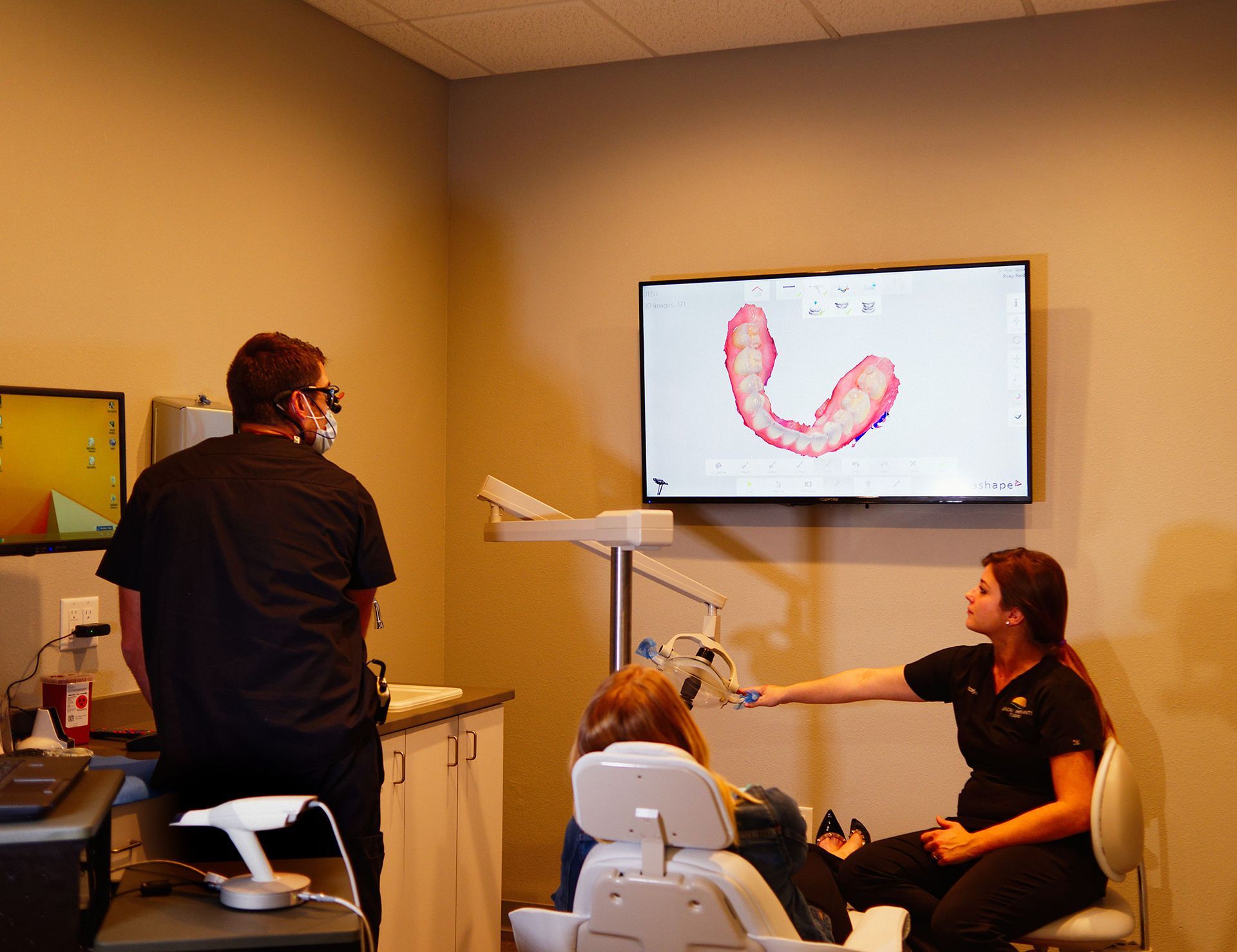
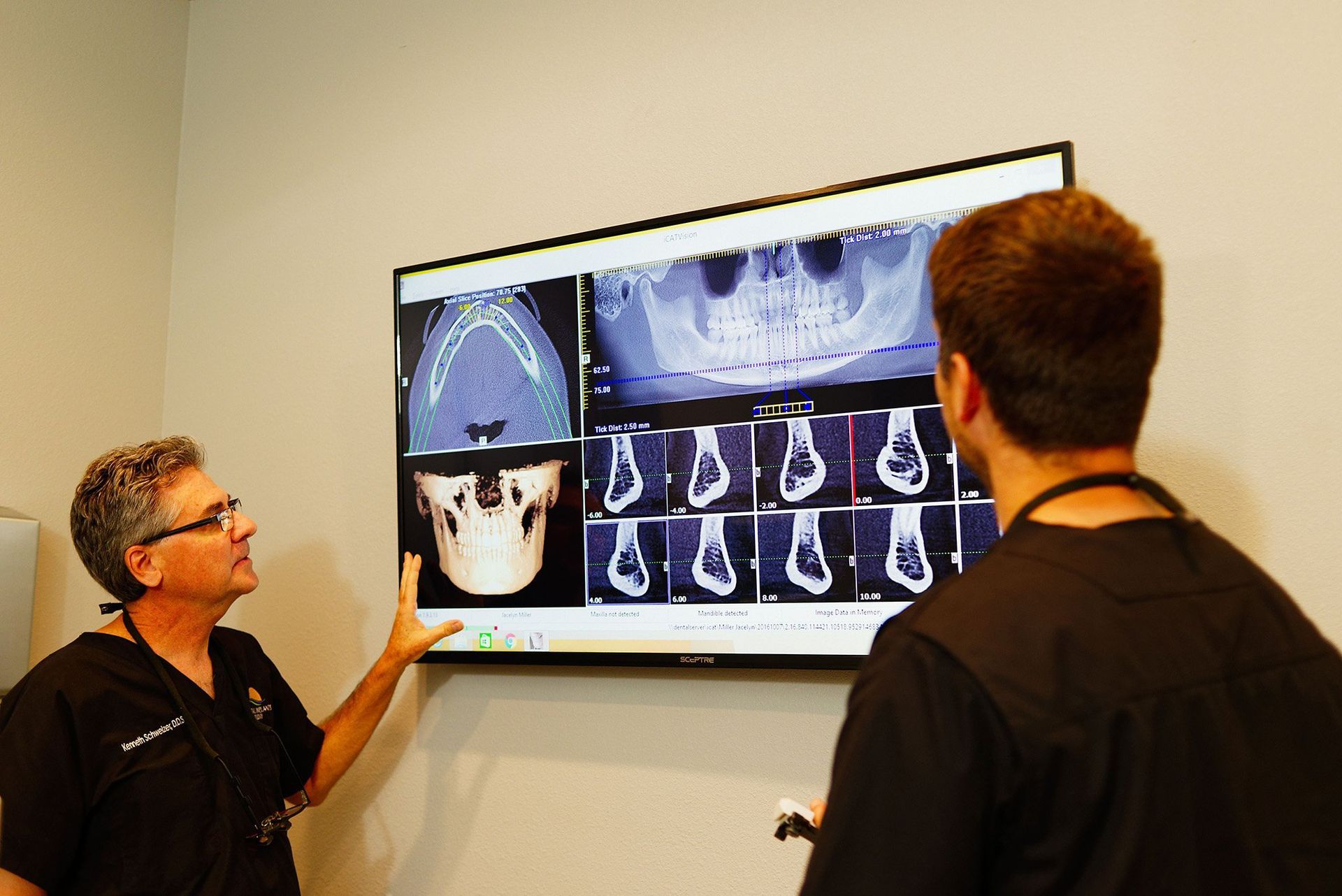
Some impacted teeth are found only on X-rays during a routine visit. Our office uses digital X-rays and Panorex imaging, which shows the whole mouth in one image and helps us see the position of teeth beneath the gums.
Who Needs an Impacted Tooth Removed?
Not every impacted tooth must come out. We may recommend removal if the tooth:
- Is causing pain, swelling or repeated infection
- Is damaging or crowding the neighboring teeth
- Is hard to clean and at risk for decay or gum problems
- Is likely to cause problems in the future based on its position
We'll explain what we see on your X-rays and talk through the pros and cons of removing the tooth versus monitoring it.
The Extraction Process, Step by Step
- Exam and imaging. We examine the area and take X-rays to see the tooth's position and its relationship to nearby teeth and nerves.
- Treatment plan. We explain whether removal is recommended and what the procedure involves. Many impacted teeth, including wisdom teeth, can be removed in our office. More complex cases are referred to an oral surgeon.
- Anesthesia. The area is numbed so you're comfortable. Please review our before anesthesia guidelines. Nitrous oxide is available to help you relax.
- Removing the tooth. Because the tooth is trapped beneath the gums or bone, surgery may be needed to reach it and remove it.
- Aftercare instructions. We'll go over exactly how to care for the area at home and schedule any follow-up you need.
Recovery After Impacted Tooth Removal
Following the extraction, there can be mild discomfort and swelling. A few tips help most people heal well:
- Cold compress. A cold compress will help ease some of the swelling.
- Medication. If your doctor prescribes a pain medication, take it as directed.
- Chewing. Don't chew on the side of the extraction for 2 to 3 days after the procedure; this encourages faster healing.
- Soft foods. Choose soft, cool foods at first and drink plenty of fluids.
- Protect the clot. Avoid smoking, using straws and vigorous rinsing early on, which can disturb healing.
For more detail, see our instructions after wisdom tooth removal. Call us if bleeding, swelling or pain gets worse instead of better.
Why Not Wait?
An impacted tooth that is causing symptoms usually doesn't get better on its own. Food and bacteria can collect around a partly erupted tooth, leading to repeated swelling or infection, and pressure from an impacted tooth can affect the teeth next to it. Having the tooth evaluated early gives you more options and time to plan.
Cost, Insurance and Payment Options
The cost to remove an impacted tooth depends on the tooth's position and how complex the extraction is. Many dental insurance plans provide some coverage for extractions.
Strategic Dental Care accepts most PPO insurance plans. Because every plan is different, call us at 407-284-1645 and our team will help you understand what your plan may cover before treatment begins. If you don't have dental insurance, ask about our in-house plans, which are designed to help reduce out-of-pocket costs. We also offer third-party financing, and there is no credit check to see if you qualify. Be sure to check our current specials too.
Impacted Tooth Care for East Orlando Patients
Strategic Dental Care is at 12250 Strategy Blvd, serving East Orlando, the UCF area and nearby neighborhoods. Impacted wisdom teeth often show up in the late teens and early twenties, so we see many students and young adults. You can learn more in our blog post on wisdom teeth removal in Orlando, or browse all our extraction services.
Strategic Dental Care
12250 Strategy Blvd Ste 437, Orlando, FL 32817 (behind McDonald's)
Phone:
407-284-1645
Hours: Monday–Thursday, 9 am–5 pm; Friday, 8:30 am–2 pm
Frequently Asked Questions About Impacted Teeth
What causes a tooth to become impacted?
When there isn't enough room in the dental arch to accommodate a tooth's growth, the tooth can become impacted and stay trapped under the gums or bone.
Does an impacted tooth always need to be removed?
Not always. We'll look at your symptoms and X-rays and explain whether removal or monitoring is the better option.
Is surgery needed to remove an impacted tooth?
Surgery may be required because the tooth is partially or fully beneath the gums or bone. Many impacted teeth are removed in our office, and complex cases are referred to an oral surgeon.
What is recovery like?
There can be mild discomfort and swelling. A cold compress helps with swelling, prescribed pain medication should be taken as directed, and you should avoid chewing on that side for 2 to 3 days.
Does insurance cover impacted tooth removal?
Many plans provide some coverage for extractions, but benefits vary. We accept most PPO plans and offer in-house plans and third-party financing with no credit check to qualify.
Schedule an Impacted Tooth Consultation in Orlando
Call Strategic Dental Care at 407-284-1645 now to schedule a consultation, or contact us online.
Gallery