Inlays and Onlays

When a tooth has too much damage for a simple filling but not enough to need a full crown, an inlay or onlay can be the ideal middle ground. At Strategic Dental Care in East Orlando, we use inlays and onlays to strengthen damaged teeth, restore their shape and help prevent further decay, while keeping as much of your natural tooth as possible.
What Are Inlays and Onlays?
Inlays and onlays are often called partial crowns. They are custom-made restorations placed on an existing tooth to help prevent further damage. They are used to strengthen a damaged tooth, restore its shape and prevent further decay.
The difference between inlays and onlays
- Inlay: When there's no damage to the cusps (the raised points on the chewing surface of the tooth), an inlay can be used. The inlay fits within the tooth's chewing surface.
- Onlay: An onlay is used when a tooth has more extensive damage and extends over one or more cusps.
Inlays and onlays are made from porcelain, gold or composite resin. We'll help you choose the material that best fits the location of the tooth, your bite and your appearance goals.
Inlays and Onlays vs. Fillings and Crowns
A traditional filling is placed directly in the tooth during one visit and works well for smaller cavities. A dental crown covers the entire visible tooth and is used when damage is extensive. Inlays and onlays sit between the two. They are custom made to fit the damaged area precisely and generally preserve more healthy tooth structure than a full crown.
Who Are Inlays and Onlays For?
You may be a good candidate if you:
- Have a cavity or damage too large for a standard filling
- Have a cracked or broken tooth where the damage is limited to part of the tooth
- Need to replace an old, worn or failing filling
- Want a durable restoration that also looks natural
If damage is more extensive, a crown may be the better option. We'll explain the choices after examining the tooth.
The Inlay and Onlay Process, Step by Step
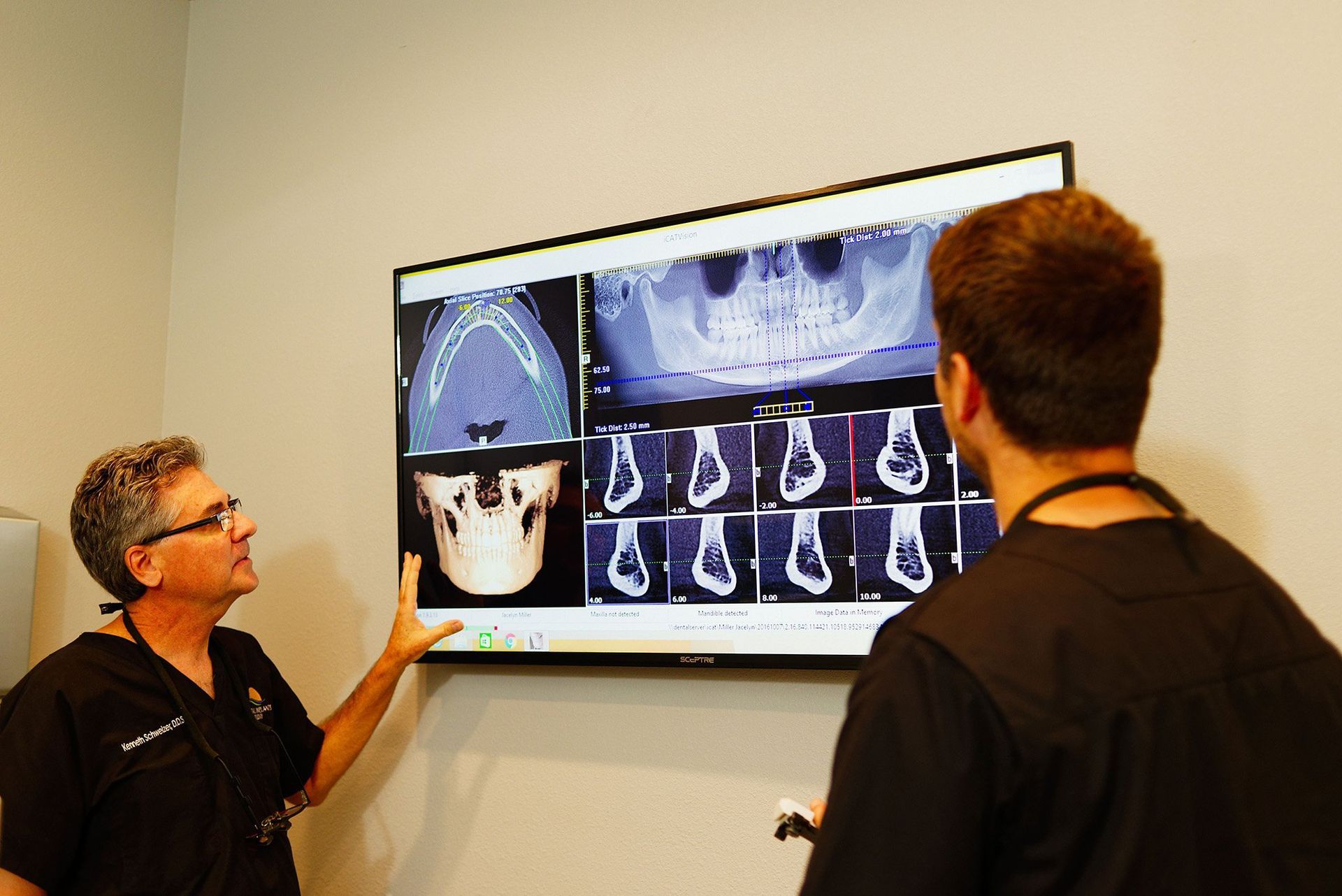
- Exam and X-rays. We examine the tooth and take digital X-rays to see the extent of the damage.
- Removing decay. Placing an inlay or onlay begins by removing the decayed area of the tooth.
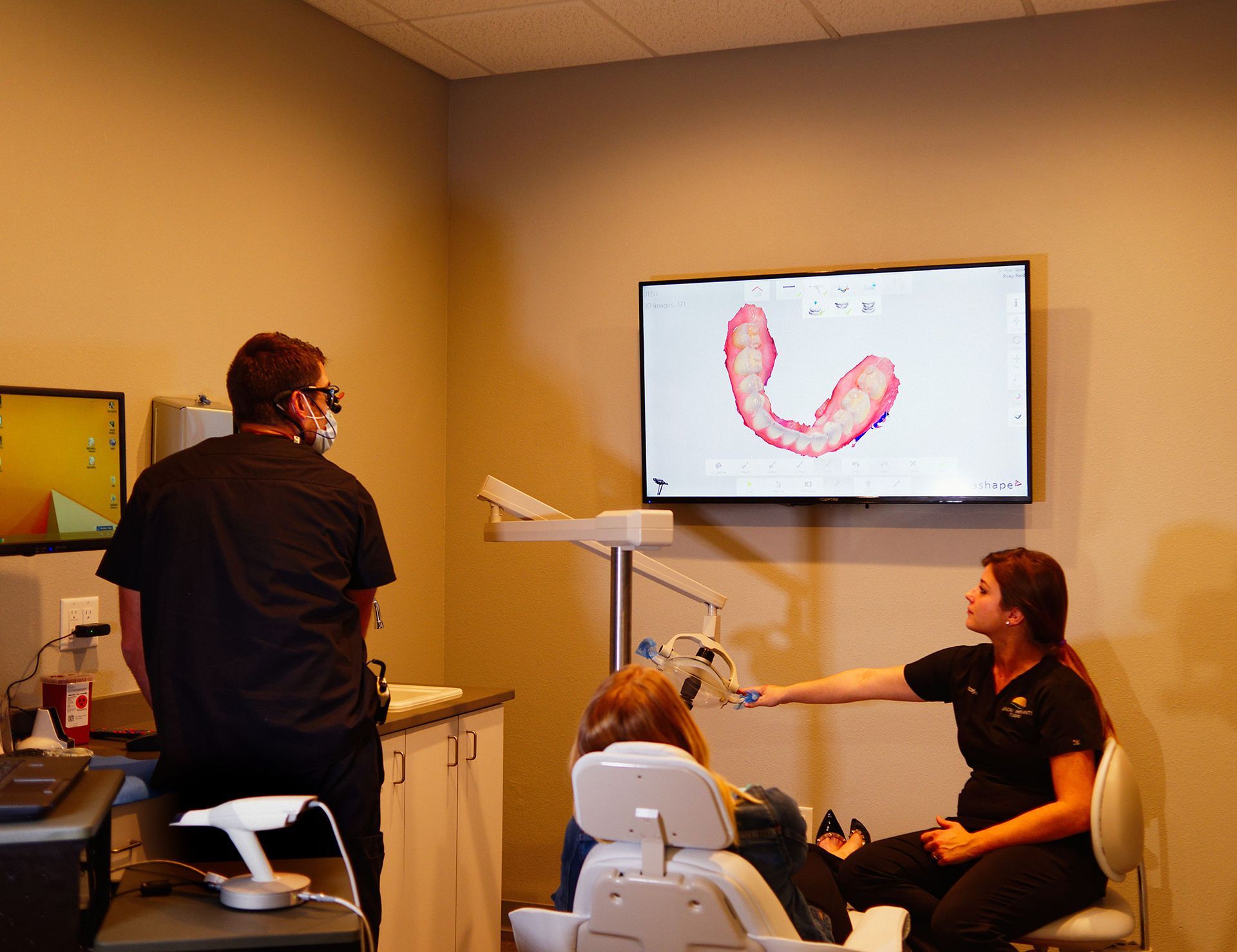
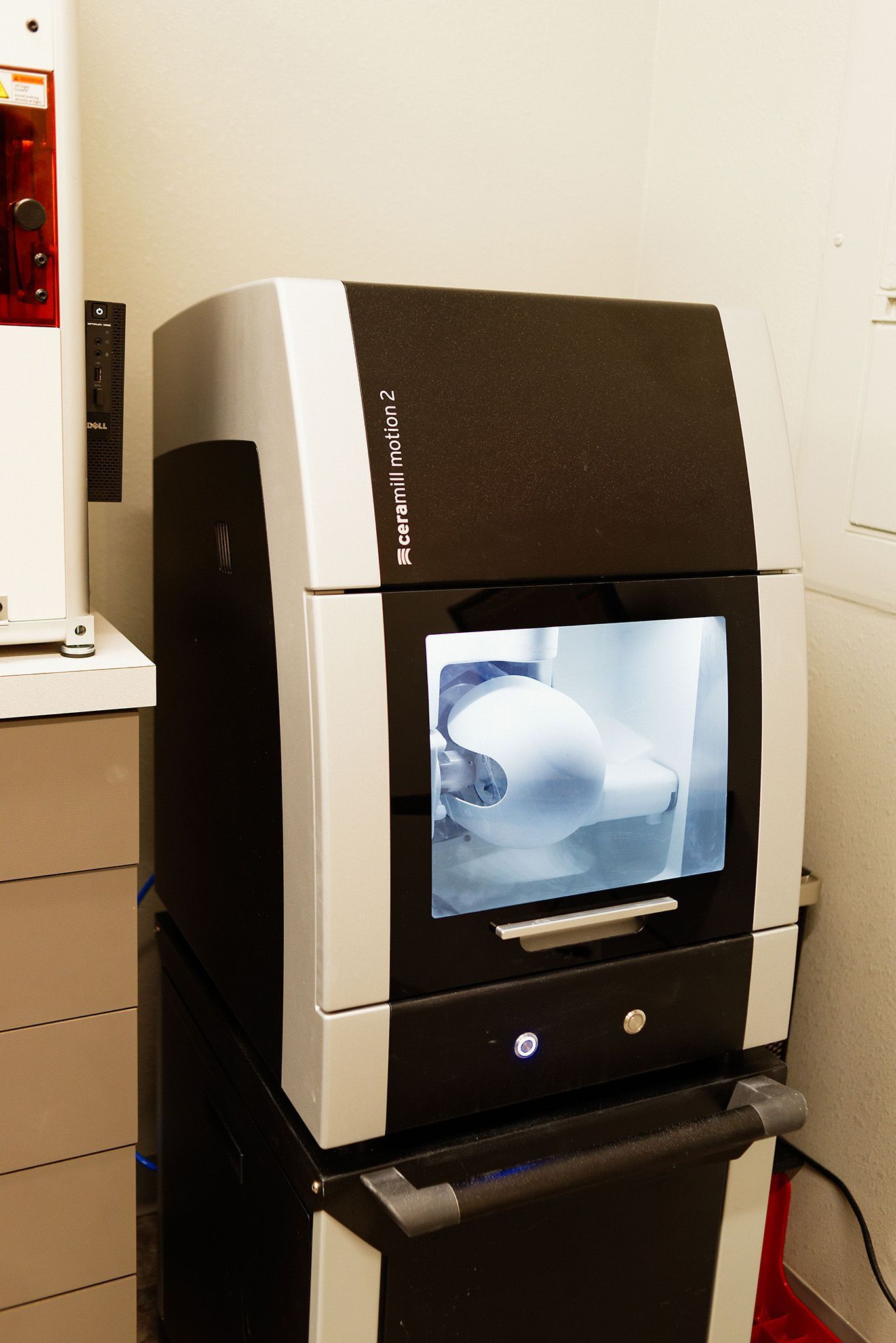
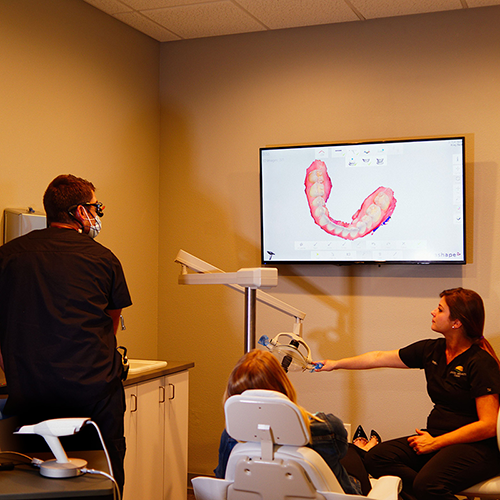
- Taking a mold. A mold of the tooth is prepared and sent to a dental lab for fabrication.
- Temporary restoration. The restoration takes about two to three weeks to create. In the meantime, you'll wear a temporary inlay or onlay.
- Placing the permanent restoration. The permanent inlay or onlay is placed and set with an adhesive cement, and your tooth regains its natural look.
Recovery and Care
Most people return to normal activities right after each appointment. Your tooth may be a little sensitive for a few days. While wearing the temporary restoration:
- Avoid very sticky or hard foods on that side
- Brush gently and floss carefully around the temporary
- Call us if the temporary comes loose
After the permanent inlay or onlay is placed, care for it like a natural tooth: brush twice a day, floss daily and keep up with regular cleanings. If you grind your teeth, ask about a custom night guard to protect your restorations.
Choosing a Material
Each material has strengths. Porcelain and composite resin can be matched to the color of your natural teeth, which makes them popular for teeth that show when you smile. Gold is very durable and is sometimes chosen for back teeth that take heavy chewing forces. We'll talk through the options and help you pick the one that fits your tooth and your priorities.
Cost, Insurance and Payment Options
The cost of an inlay or onlay depends on the size of the restoration and the material used (porcelain, gold or composite resin). Many dental insurance plans provide some coverage for restorations that repair damaged teeth.
Strategic Dental Care accepts most PPO insurance plans. Because every plan is different, call us at 407-284-1645 and our team will help you understand what your plan may cover before treatment begins. If you don't have dental insurance, ask about our in-house plans, which are designed to help reduce out-of-pocket costs. We also offer third-party financing, and there is no credit check to see if you qualify. Be sure to check our current specials too.
Inlays and Onlays in East Orlando
Strategic Dental Care is at 12250 Strategy Blvd, serving East Orlando, the UCF area and nearby neighborhoods. Inlays and onlays are one of the cosmetic and restorative services we provide to help your teeth look natural and work well for years.
Strategic Dental Care
12250 Strategy Blvd Ste 437, Orlando, FL 32817 (behind McDonald's)
Phone:
407-284-1645
Hours: Monday–Thursday, 9 am–5 pm; Friday, 8:30 am–2 pm
Frequently Asked Questions About Inlays and Onlays
What is the difference between an inlay and an onlay?
An inlay can be used when there's no damage to the cusps of the tooth. An onlay is used when a tooth has more extensive damage that extends over one or more cusps.
What are inlays and onlays made of?
They're made from porcelain, gold or composite resin.
How long does it take to get an inlay or onlay?
The restoration takes about two to three weeks to create at a dental lab. You'll wear a temporary inlay or onlay in the meantime.
Are inlays and onlays the same as crowns?
They're often called partial crowns. They cover only the damaged part of the tooth, while a crown covers the entire visible tooth.
Does insurance cover inlays and onlays?
Many plans provide some coverage, but benefits vary. We accept most PPO plans and offer in-house plans and third-party financing with no credit check to qualify.
Schedule an Inlay or Onlay Consultation in Orlando
Call Strategic Dental Care at 407-284-1645 now to schedule a consultation, or contact us online.
Gallery